
Can a medical weight loss program improve diabetes?
If you live in Jacksonville with type 2 diabetes and extra weight, you may wonder whether a supervised weight loss program is worth the effort. Here is what one long-term study found, and what it asks of you afterward.
What the study showed
NIDDK (NIH) reports that a long-term study showed that people who had type 2 diabetes as well as overweight or obesity can lose weight and maintain some of that weight loss through a program of intense lifestyle changes, such as healthy eating and increased physical activity.
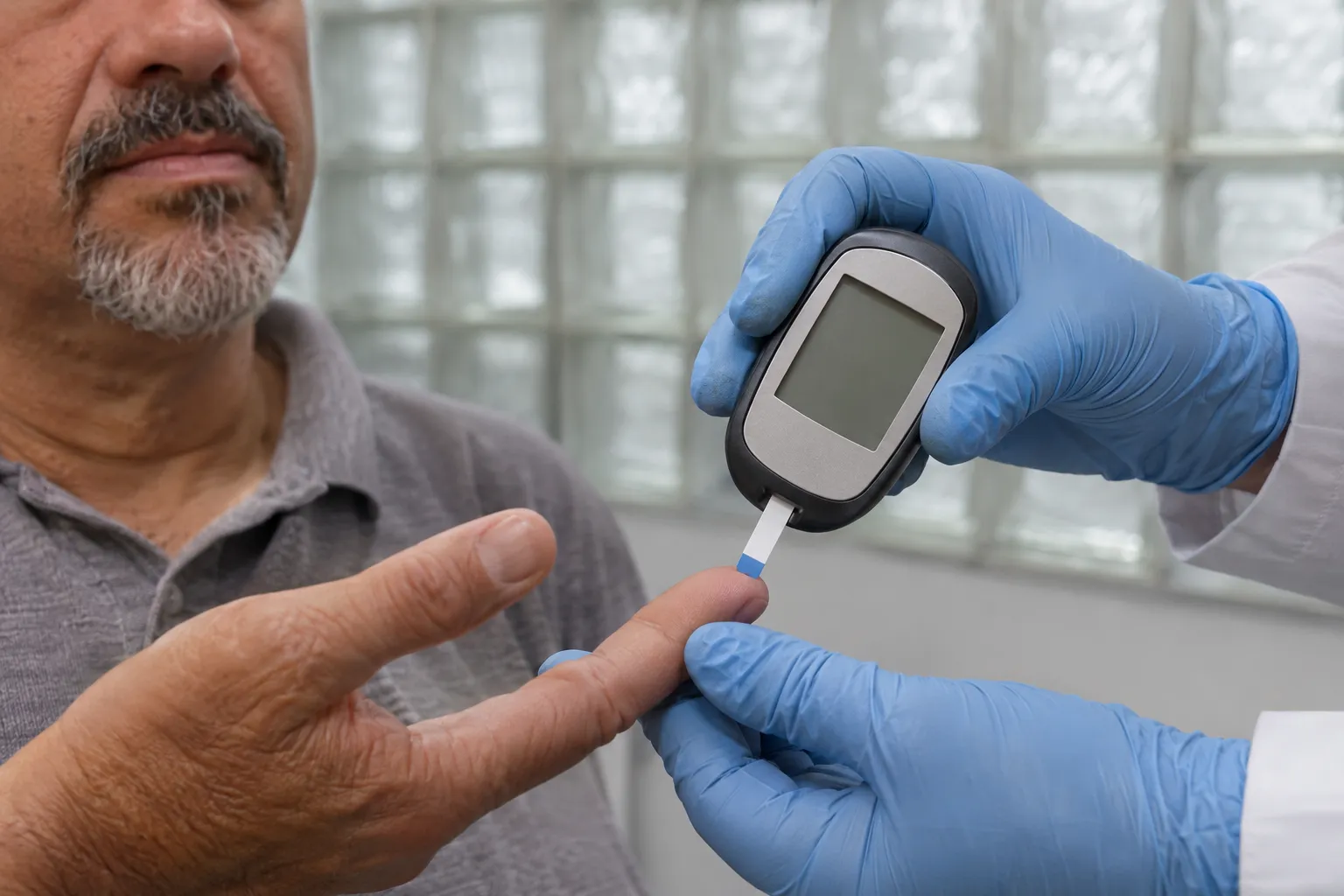
That finding is about weight. It tells you a program built on lifestyle change can move the scale and keep part of that change in place for people with your starting point.
What keeps the result in place
The study describes intense lifestyle changes, so the result rests on habits you keep up and not on a single visit. Notice the careful wording too. People maintained some of the weight loss, not all of it, so upkeep belongs in the plan from the first week.
Two numbers to learn first
Start with a number you can follow. Learn how body mass index is worked out, then read the CDC's steps for losing weight so you can compare them with any plan you are offered. Take your diabetes questions to your own doctor before you begin.
What it means for the long run
Because the evidence speaks of maintaining some of the loss, the real price of a program includes the upkeep after the first goal is met. Judge any plan by what it asks you to keep doing, not only by what it asks you to do at the start.